Understanding Today’s Shipping Standards: Why Parcel and LTL Freight Costs Continue to Change
Written by: Nicole Reps, Sales & Marketing of Flex Craft
Shipping has become an increasingly important part of the purchasing process. Whether you’re ordering a small box of components or a larger Flex Craft system that requires palletized freight, shipping costs can have a noticeable impact on the final price of an order.
Today’s shipping environment is also constantly changing. Carrier rate adjustments, fuel costs, shipment dimensions, freight classifications, delivery locations, seasonal demand, and additional fees can all affect what it costs to move a shipment from point A to point B.
For customers, understanding the difference between parcel shipping and Less-Than-Truckload (LTL) freight can help explain why shipping prices sometimes fluctuate—even when ordering similar products.
Why Are Shipping Prices Changing?
Shipping rates have never been completely static, but today’s transportation market includes several variables that can quickly affect pricing.
Major parcel carriers regularly adjust their base rates, surcharges, delivery-area fees, and handling charges. FedEx, for example, has continued to update rates and fees throughout 2026 and has announced additional rate and surcharge changes for 2027. Carriers can also introduce demand surcharges during periods of increased shipping volume and network capacity constraints.
Freight shipments face their own set of variables.
LTL pricing can depend on shipment weight, dimensions, density, freight classification, origin and destination, available carrier capacity, fuel costs, and any special services required for pickup or delivery.
As a result, the shipping cost for an order today may not always match the cost of a similar order placed months ago.
Parcel Shipping: More Than Just the Weight of the Box
When people think about package shipping, weight is often the first thing that comes to mind. However, the size and shape of the package can be just as important.
Parcel carriers use dimensional and handling standards to determine how much space a package takes up within their transportation network. Larger, unusually shaped, or difficult-to-handle packages may be subject to additional fees.
This is particularly relevant when shipping long or bulky components. A package may not be extremely heavy, but its dimensions can still affect the final shipping charge.
Carriers also use additional charges for circumstances such as residential deliveries, extended delivery areas, oversized packages, additional handling, and periods of high shipping demand. FedEx’s 2026 demand surcharge schedule, for example, includes separate charges for additional handling and oversized shipments during the peak holiday shipping season.
This means two boxes with the same weight can potentially have very different shipping costs.
When Does LTL Freight Make More Sense?
As an order becomes larger, heavier, or more difficult to ship through a traditional parcel network, Less-Than-Truckload (LTL) freight may become the better shipping method.
With LTL freight, your shipment typically occupies only a portion of a trailer rather than requiring an entire truck.
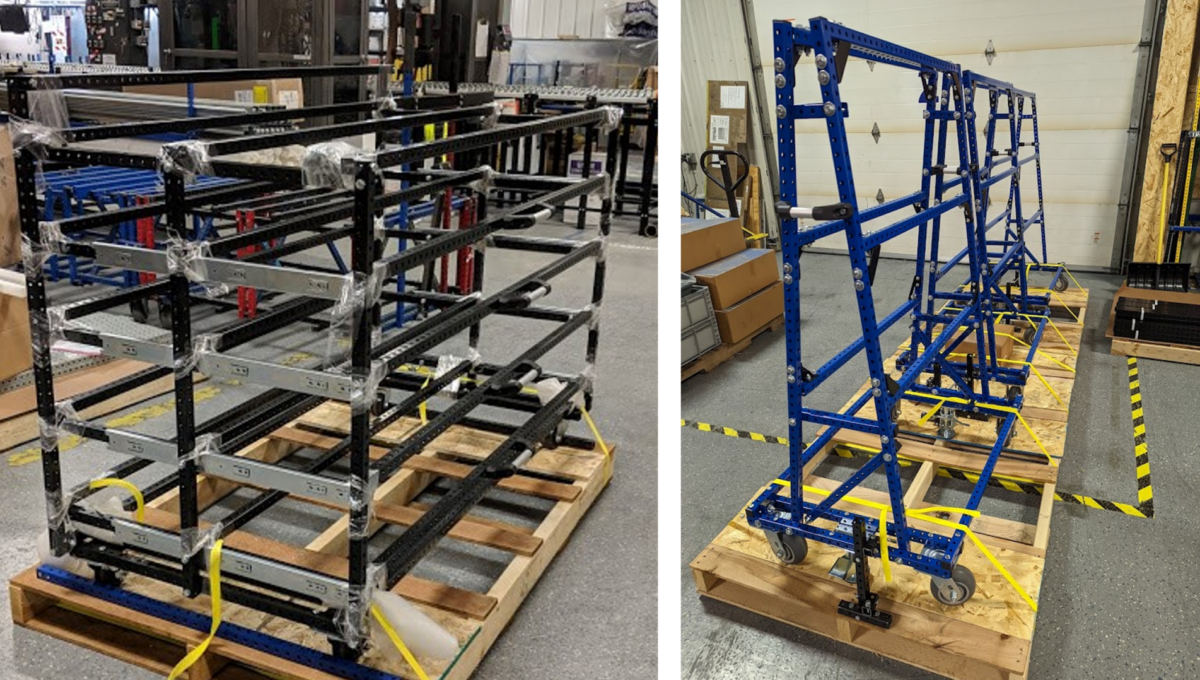
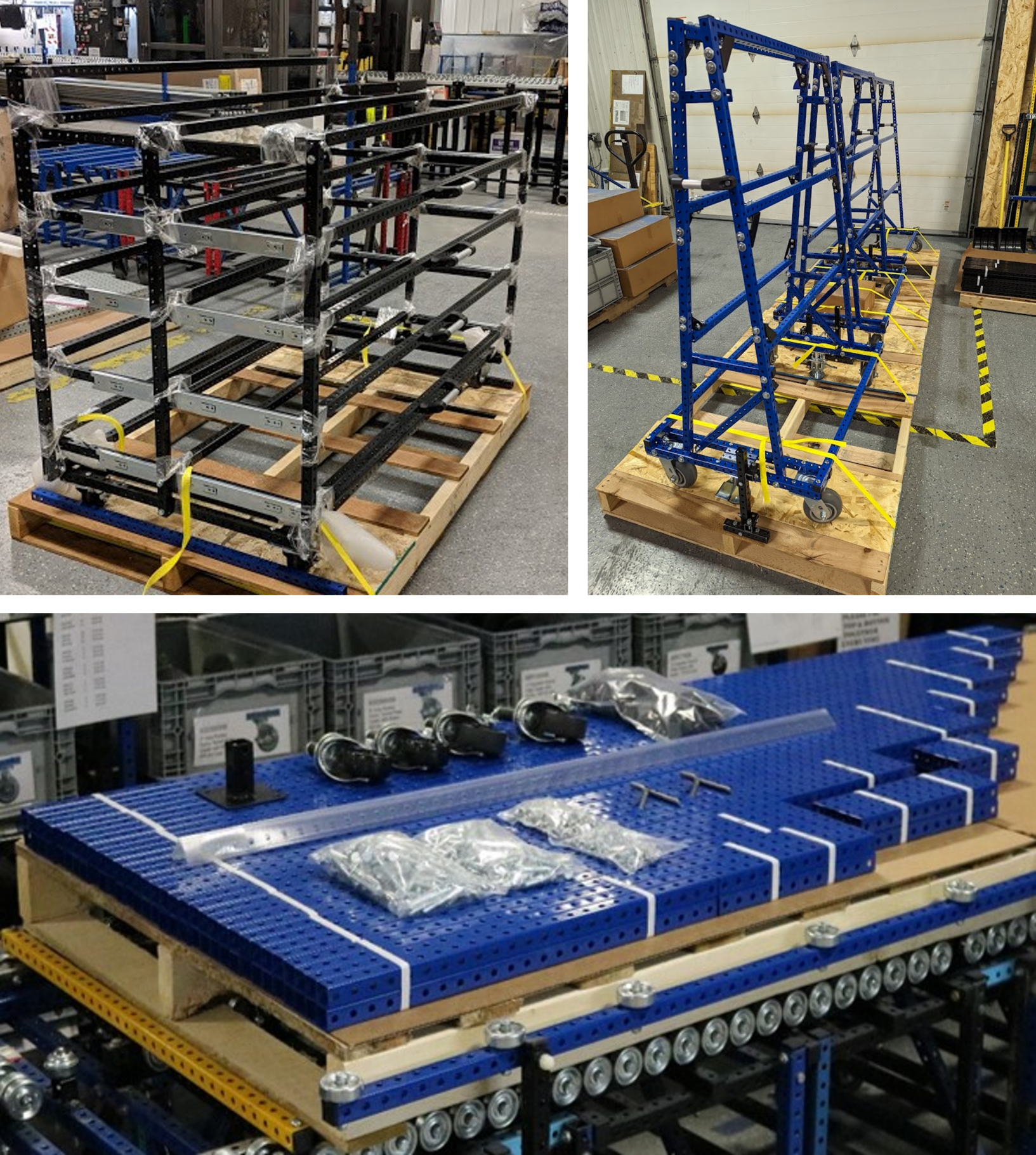
Products are commonly secured to pallets or otherwise prepared for freight transportation. This makes LTL particularly useful for larger assemblies, bulk orders, long components, and other products that do not fit efficiently within normal parcel shipping requirements.
However, LTL pricing works differently from standard package shipping.
What Determines an LTL Freight Rate?
Several factors can influence the cost of an LTL shipment, including:
- Weight and dimensions: Larger and heavier shipments require more trailer space and capacity.
- Density: The relationship between a shipment’s weight and the amount of space it occupies can affect classification and pricing.
- Freight classification: The National Motor Freight Classification (NMFC) system helps establish classifications used in LTL transportation.
- Distance: Longer transportation routes generally affect the overall freight cost.
- Pickup and delivery requirements: Services such as liftgate delivery, limited-access locations, residential delivery, or other special handling can add costs.
- Fuel: Changes in diesel and other transportation expenses can contribute to changing carrier costs.
- Carrier capacity: Available trucks, drivers, terminal capacity, and overall freight demand can influence market pricing.
The LTL industry has also been adapting to significant NMFC classification changes that took effect beginning in July 2025. These changes expanded the use of density-based classifications and can affect how certain freight is classified, rated, and billed.
Accurate dimensions, weights, and shipment information have therefore become even more important when obtaining freight quotes.
Why Can a Freight Quote Change?
One of the most common questions customers have is why shipping may cost more—or occasionally less—than expected.
The answer is that freight pricing reflects conditions at the time the shipment is quoted.
Carrier availability can change. Fuel costs can move. Surcharges can be adjusted. Freight classifications and carrier rules can change. Seasonal shipping demand can also put additional pressure on transportation networks.
Parcel carriers provide a good example of this. FedEx’s current pricing structure includes demand surcharges that change during different portions of the 2026 holiday shipping season, illustrating how the same type of shipment can encounter different fees depending on when it moves.
For LTL shipments, changes to shipment dimensions, pallet count, weight, destination, or required delivery services can also change the final rate.
That is why shipping quotes should generally be viewed as a snapshot based on the shipment details and carrier conditions available at that time.
Packaging Matters Too
Good packaging does more than protect your products—it can also help make shipping more efficient.
For parcel shipments, unnecessary package size can increase dimensional shipping charges. For freight shipments, efficient pallet configurations can help reduce the amount of trailer space an order requires.
At Flex Craft, our modular products range from individual components to complete structures and material handling solutions. That variety means there isn’t a one-size-fits-all shipping method.
A small order of brackets or hardware may ship differently than an order containing long tubes, multiple cartons, or a fully assembled solution.
Choosing the appropriate packaging and shipping method helps balance cost, product protection, and efficient transportation.
Planning Ahead Can Help
While no business can control every change in the transportation market, customers can take a few steps to make shipping more predictable.
Providing accurate delivery information, allowing flexibility in delivery timing when possible, communicating special delivery requirements ahead of time, and planning larger orders in advance can all help avoid surprises.
For larger projects, combining materials into a well-planned shipment may also provide opportunities for more efficient transportation compared with multiple smaller shipments.
Flexibility Goes Beyond the Product
At Flex Craft, flexibility is at the center of what we do. Our modular systems allow customers to create solutions around their specific applications—and we understand that getting those materials to the customer is an important part of the process.
Today’s shipping market continues to evolve, and both parcel and LTL carriers regularly adjust their pricing structures, classifications, and surcharges.
Understanding those variables can make shipping costs easier to navigate.
Whether your Flex Craft order fits into a box or requires a pallet and an LTL carrier, our goal is to help identify an appropriate shipping method based on the size, weight, destination, and requirements of your order.
Planning a Flex Craft project? Contact our team to discuss your application, product requirements, and shipping options.