Procurement in Metal Fabrication: Supporting Precision, Performance, and Partnership
Written by: Eric Arneson, Procurement Manager of Flex Craft
In a metal fabrication environment, precision on the shop floor starts long before material meets machine. At our facility, specializing in metal tube punching, plasma‑cut metal parts, press bending, and powder coating, procurement plays a critical role in ensuring production runs smoothly, efficiently, and on schedule.
We take time to reflect on our procurement strategy, supplier relationships, and how our purchasing decisions directly support quality, lead time, and cost control across the operation.
Procurement’s Role in a High‑Mix Manufacturing Environment
Unlike high‑volume commodity manufacturing, metal fabrication demands flexibility. Each project may require different tubing sizes, plate thickness, coatings, or accessory components. Procurement must be balanced:
- Material availability
- Supplier reliability
- Cost stability
- Quality consistency
- Short lead times
Whether sourcing raw steel, outsourced services, or accessory components, our goal is the same: keep production flowing without compromise.

Core Materials: Supporting Fabrication from Start to Finish
For metal tube punching and plasma cutting operations, material consistency is essential. Variations in wall thickness, surface condition, or steel grade can affect Punch alignment and tool wear, Cut edge quality, and Downstream bending and coating performance.
Our procurement team works closely with qualified steel suppliers to ensure Verified material certifications, Consistent mill sources, and Predictable delivery schedules. This collaboration minimizes rework, scrap, and production interruptions.
Press Bending & Powder Coating Considerations
Procurement doesn’t stop once parts are cut. Press bending and powder coating introduce additional requirements.
Material ductility and grain consistency are critical to avoiding cracking or spring‑back issues with bending parts. While surface condition, cleanliness, and compatibility with coating systems directly impact finish quality and durability of powder coating.
By coordinating material specs and coating requirements early, procurement helps ensure that parts move smoothly from fabrication to finishing—without costly surprises.
Accessory & Vendor‑Supplied Components
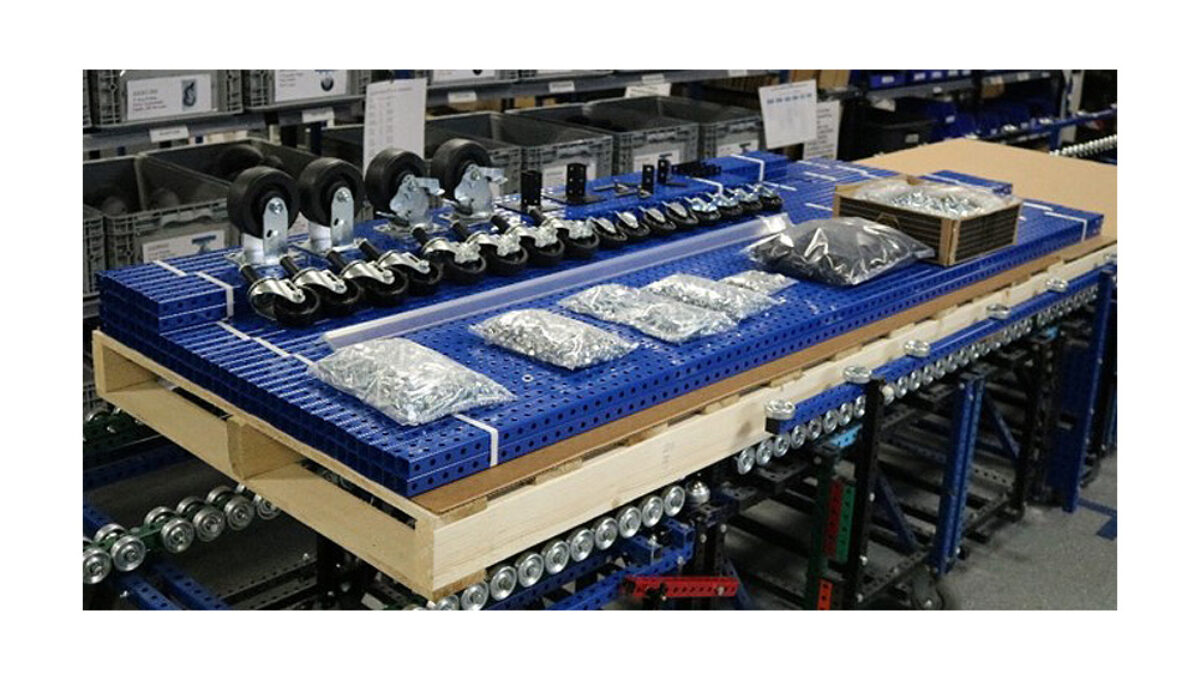
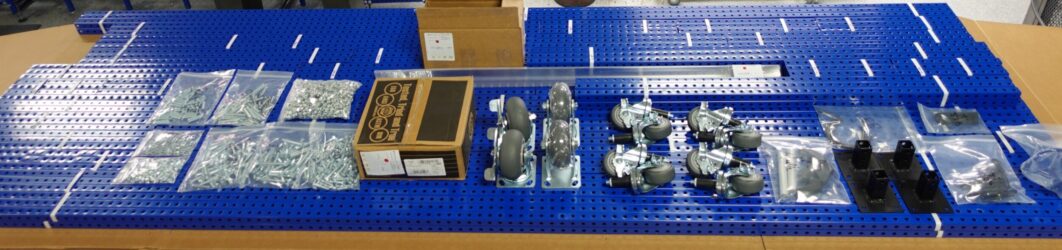
In addition to fabricated metal parts, many finished assemblies rely on vendor‑supplied accessories, including:
- Casters
- Injection‑molded plastic components
- Fasteners (hex bolts, locknuts, washers, specialty hardware)
- Extruded Aluminum tube and plastic parts
While these items may seem small, they can quickly become production bottlenecks if not managed properly.
Fasteners: Small Parts, Big Impact
Fasteners are among the most frequently purchased items—and one of the most overlooked. Standardization across products helps Reduce SKU counts, Simplify inventory management, and Leverage volume pricing. Continuing to focus on approved fastener lists and reliable suppliers to ensure availability without excess stock.
Injection‑Molded & Specialty Parts
Injection‑molded parts often come with longer lead times and tooling considerations. Procurement works proactively with suppliers to Forecast demand and lock in pricing where possible while monitoring tooling health and lifecycle. Early communication is key to avoiding last‑minute delays.
Logistics Costs and Supply Chain Challenges
Today’s logistics environment continues to impact procurement decisions. Rising freight rates, fuel surcharges, and carrier capacity constraints have increased the total landed cost of materials and components.
To manage these challenges, procurement focuses on:
- Consolidating shipments to reduce freight costs
- Partnering with regional suppliers where possible
- Evaluating total cost of ownership—not just unit price
- Planning purchases earlier to avoid expedited freight
These strategies help balance cost control with on‑time delivery and production continuity; While cost is always a factor, our procurement strategy emphasizes long‑term partnerships over transactional buying. The most successful supplier relationships are built on Open communication about Realistic lead times, and Shared quality expectations with the Willingness to problem‑solve together. These partnerships have proven invaluable during periods of supply chain disruption, material shortages, and price volatility.
Managing Risk in a Changing Supply Chain
Over the past several years, manufacturers across the industry have faced: Material price fluctuations, Transportation delays, Labor shortages, and Extended lead times.
To mitigate risk, our procurement team focuses on:
- Dual‑sourcing critical components where feasible
- Maintaining safety stock for high‑risk items
- Monitoring market trends and supplier capacity
This proactive approach helps protect production schedules and customer commitments.
As we move further into this year, procurement will continue to focus on:
- Improving material forecasting accuracy
- Expanding our supplier network strategically
- Supporting continuous improvement on the shop floor
- Aligning purchasing decisions with operational efficiency
Procurement may operate behind the scenes, but its impact is visible in every finished part that leaves our facility.
Thank You to Our Suppliers and Team
We recognize that strong procurement performance is the result of collaboration—between suppliers, operations, engineering, and logistics. We appreciate the continued partnership and look forward to building even stronger relationships in the months ahead.